Skip to main content Scroll Top

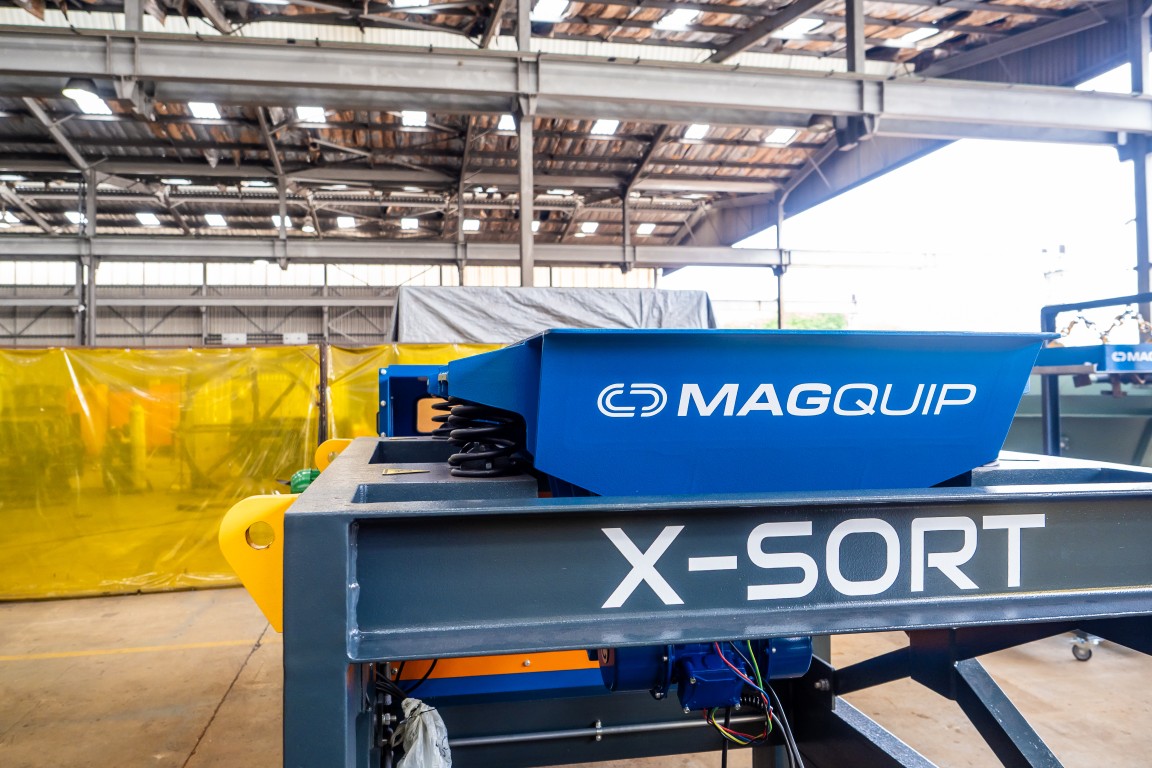
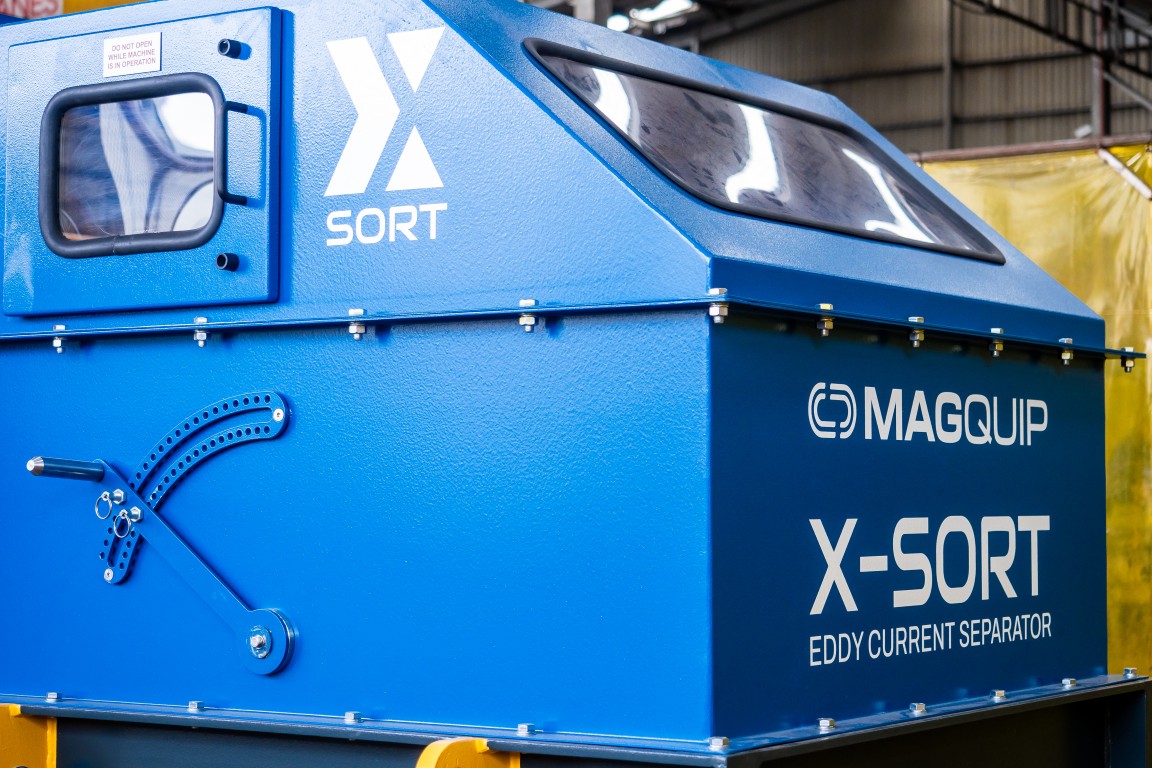
X-SORT Eddy Current Separator

Page/Post Excerpt

Elevate your business with our
innovative solutions!
Elevate your business with our
innovative solutions!
Non-ferrous recovery · Eccentric eddy current separator

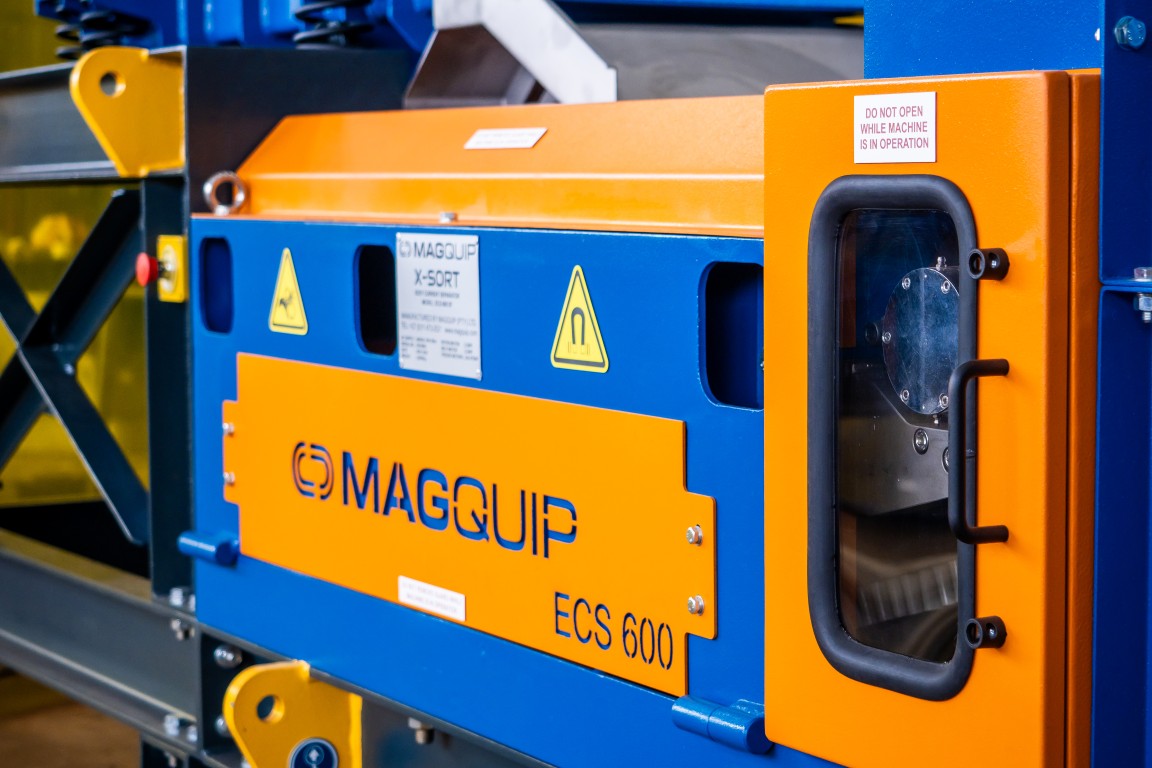
X-SORT

High-intensity eccentric eddy current separation for recovering aluminium, copper and other conductive non-ferrous metals from recycling and waste streams.

Type

Permanent rare-earth

Feed size

5–200 mm

Rotor speed

2,800–3,000 rpm

Belt speed

Up to 2.5 m/s

High-value metal recovery

Recover clean non-ferrous metals from complex material streams.

X-SORT uses a high-speed eccentric rare-earth rotor to induce eddy currents in conductive particles, repelling aluminium, copper and other non-ferrous metals away from non-conductive material.

The eccentric rotor concentrates the magnetic field at the separation zone for strong, controlled throws—while tolerating more residual ferrous material than a conventional concentric rotor.

+ Scrap and cable recycling

+ E-waste and WEEE

+ Shredder rejects and ASR

+ Glass, slag and can sorting

The separation principle

A controlled magnetic throw—not just a conveyor.

At 2,800–3,000 rpm, the rare-earth rotor produces a rapidly changing magnetic field. Conductive particles develop an opposing magnetic field and are repelled forward, while non-conductive material follows its natural trajectory.

3

distinct trajectories: non-ferrous throws · non-conductive drops · residual ferrous
Why X-SORT

High recovery, clean products and practical maintenance.

Every detail is focused on separation efficiency, controllability and dependable operation in demanding recycling plants.

01

Eccentric rotor

The high-energy NdFeB rotor concentrates the active magnetic field at the separation zone for a strong, controlled ejection force.

02

Adjustable separation

Variable rotor and belt speeds plus an adjustable splitter let operators tune recovery and product purity for changing feed streams.

03

Built for service

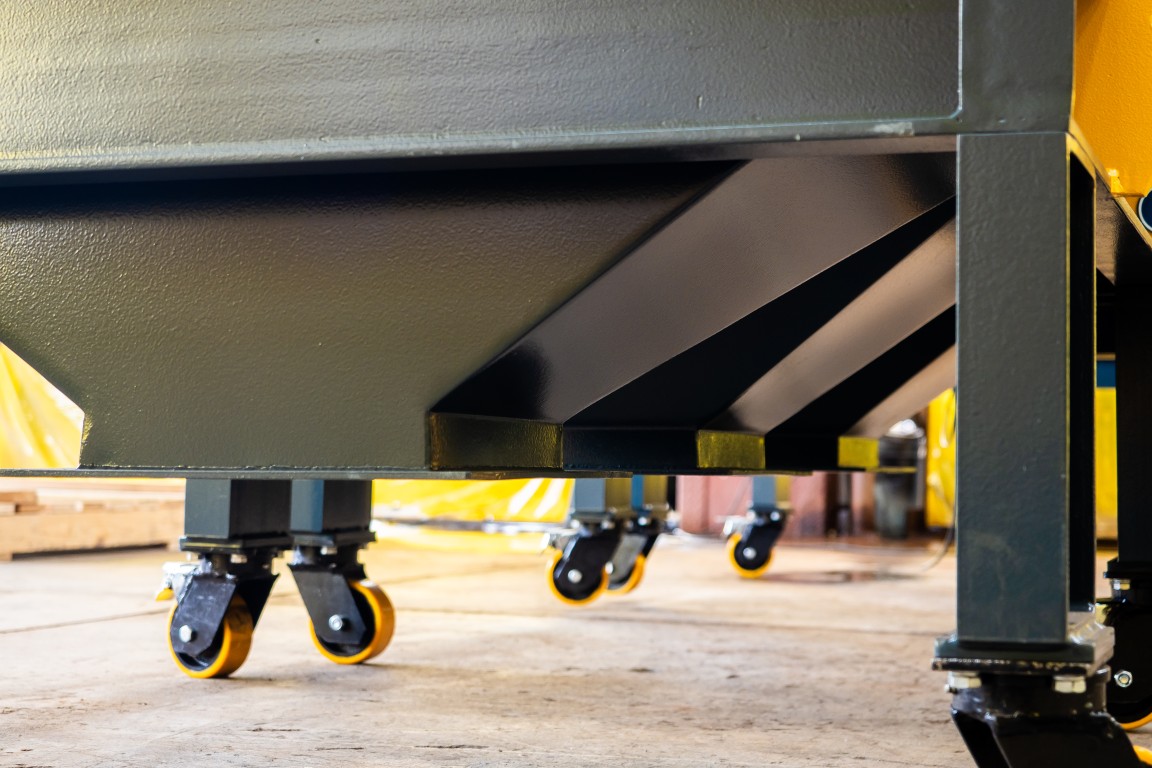
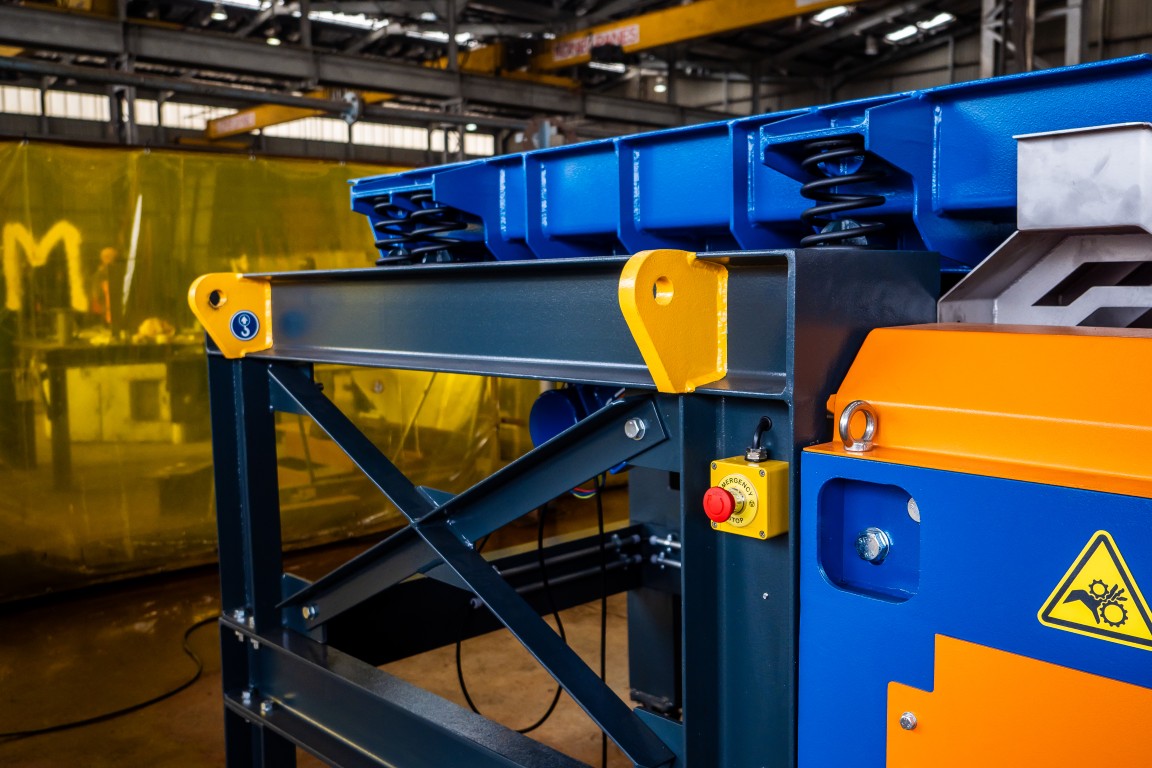
The cantilevered frame arrangement provides easier belt access and replacement, reducing maintenance time around the separator.

Rotor options

Specified for your particle size and recovery target.

Standard · 5–200 mm

Coarse and mixed fractions

Configured for high-throughput recovery of aluminium, copper and other conductive metals from typical recycling, scrap and waste streams.

Fines · below 5 mm

Fine-particle recovery

A dedicated fines rotor is available for smaller, more difficult particles where field concentration and accurate material presentation are critical.

IN-HOUSE ENGINEERING
Construction

Engineered around the separation zone.

Core components are selected for high-speed stability, magnetic performance, belt life and precise adjustment under continuous duty.

Rotor

High-tensile carbon steel shaft with rare-earth NdFeB permanent magnets

Rotor drum

High-strength 3 mm glass-fibre construction

Conveyor belt

2-ply, 2 mm polyester belt with 0.4 mm PVC wear cover

Rotor drive

2-pole, 3-phase induction motor rated for 3,000 r/min

Belt drive

Motorised pulley with belt speed adjustable to 2.5 m/s

Controls

Rotor and belt VSDs; PLC and HMI control option available

Engineer’s questions

Frequently asked.

Key process, feed and specification questions for teams planning a non-ferrous recovery circuit.

The high-speed rare-earth rotor induces eddy currents in electrically conductive particles. The opposing magnetic field creates a repulsive force that throws non-ferrous metal forward, away from non-conductive material.

The eccentric design concentrates the magnetic field at the separation point, supports high recovery and can tolerate more residual ferrous material with less risk of inductive heating damage.

Typical duties include aluminium and copper recovery from scrap, cable, e-waste, shredder rejects, glass cullet, household refuse, cans, slag and mixed recycling streams.

Provide material composition, particle-size distribution, bulk density, moisture condition, throughput, target metal recovery and purity, available footprint and upstream ferrous-removal arrangement.

Upstream ferrous removal is recommended for best performance and protection. The eccentric rotor can tolerate a relatively high residual ferrous content, but the complete circuit should be configured around the actual feed.

Send us your material data. We’ll configure the right X-SORT.

Final equipment selection is confirmed against feed size, throughput, material composition, recovery targets and site conditions.